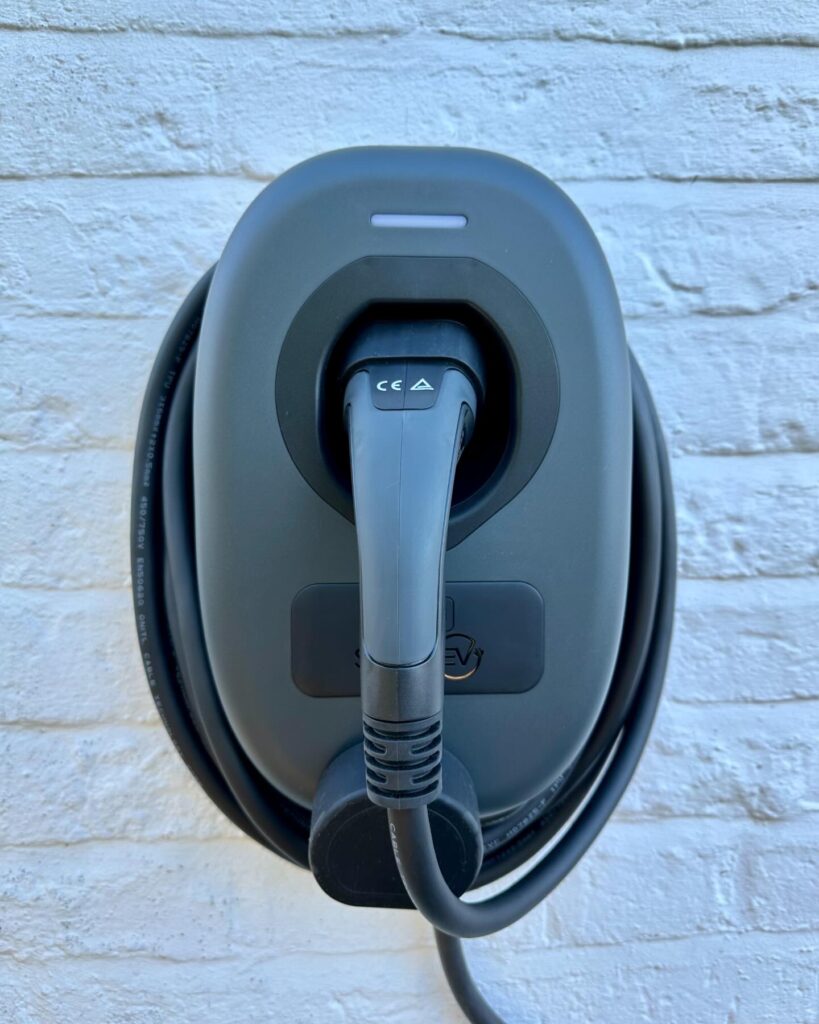
Benefits of EV Charging Stations
Electric vehicle charging stations offer a number of benefits for both individuals and businesses.
-
- They can help reduce air pollution by making it easier for people to drive electric vehicles.
-
- They can help improve public health by reducing greenhouse gas emissions.
-
- They can create jobs and boost the economy.
-
- They can help make cities more sustainable.
-
- They can help to reduce emissions and improve air quality.
-
- They can help to make cities more liveable and sustainable.
Charging stations are an important part of the infrastructure needed to support the growth of the electric vehicle market. By providing convenient and accessible places to charge electric vehicles, charging stations can help to make electric vehicles a more attractive option for drivers.
For businesses, EV charging points can attract new customers, improve employee productivity, and reduce energy costs.
More Benefits of EV Charging Points
Electric vehicle charging points offer a number of benefits, including:
- Convenience: EV charging stations can be found in a variety of public places, making it easy for EV drivers to recharge their vehicles.
- Speed: Electric vehicle charging stations can typically recharge an EV battery in a matter of hours, making them a convenient option for drivers who need to quickly get back on the road.
- Cost-effectiveness: Electric vehicle charging points are typically less expensive than gasoline, making them a more affordable option for EV drivers.
- Environmental sustainability: Electric vehicle charging points help to reduce greenhouse gas emissions and promote a more sustainable transportation future.
Electric vehicle charging stations are a valuable asset for EV drivers and can help to make the transition to electric vehicles more convenient, affordable, and sustainable.
Government Incentives for Electric Vehicle Charging Points
Governments around the world are offering a variety of incentives to encourage the adoption of electric vehicles (EVs). These incentives can include tax breaks, rebates, and grants for the purchase of EVs, as well as incentives for the installation of EV charging stations.
These incentives can help to make EV charging stations more affordable and accessible, which can in turn help to increase the adoption of EVs.
FAQs About EV Charging Stations
Here are some frequently asked questions about electric vehicle charging stations:
An EV charging station is a device that allows electric vehicles (EVs) to recharge their batteries. They are typically located in public places such as shopping malls, parking lots, and workplaces.
To use an EV charging point, you will need to plug your EV into the charger. The charger will then begin to charge your EV's battery. The charging time will vary depending on the size of your EV's battery and the power of the charger.
There are three main types of electric vehicle charging stations: Level 1, Level 2, and DC fast chargers. Level 1 chargers are the slowest type of charger and can only provide a maximum of 1.4 kW of power.
Level 2 chargers are faster than Level 1 chargers and can provide a maximum of 24 kW of power. DC fast chargers are the fastest type of charger and can provide a maximum of 100 kW of power.
Electric vehicle charging stations can be found in a variety of public places, including car parks, and workplaces. You can also find electric vehicle charging stations at home by installing a home charging station.
There are many benefits to owning an electric vehicle, including:
- Higher purchase price
- Limited range
- Lack of charging infrastructure
Conclusion
Electric vehicle charging points are an essential part of the infrastructure needed to support the growing number of electric vehicles on the road. By providing a convenient and reliable way to recharge EVs, charging stations help to make electric vehicles a viable transportation option for drivers of all types.
The government is playing a key role in supporting the development of EV charging infrastructure, with a number of incentives and programs available to help businesses and individuals install charging stations.
As the number of electric vehicles continues to grow, the need for charging stations will also increase. By working together, the government, businesses, and individuals can help to make electric vehicles a reality for everyone.
- Lower operating costs
- Reduced emissions
- Improved performance
- Greater convenience